Moroccan Lentil and international recipes with a new twist
What are lentil?
The Origin of the Name and Its History in International Cuisines
The word “lentil” comes from the Latin lens, referring to its lens-like shape. Lentils have been cultivated for over 9,000 years, making them one of the oldest known crops. They were a staple in ancient Egyptian, Greek, and Indian diets, often associated with modesty and nourishment.
In Middle Eastern cuisine, lentils are central to dishes like mujaddara and shorbat adas. In South Asia, they appear as dal, a daily comfort food. In Mediterranean regions, lentils are used in hearty soups and salads, while in Latin America, they’re often cooked with rice and spices.
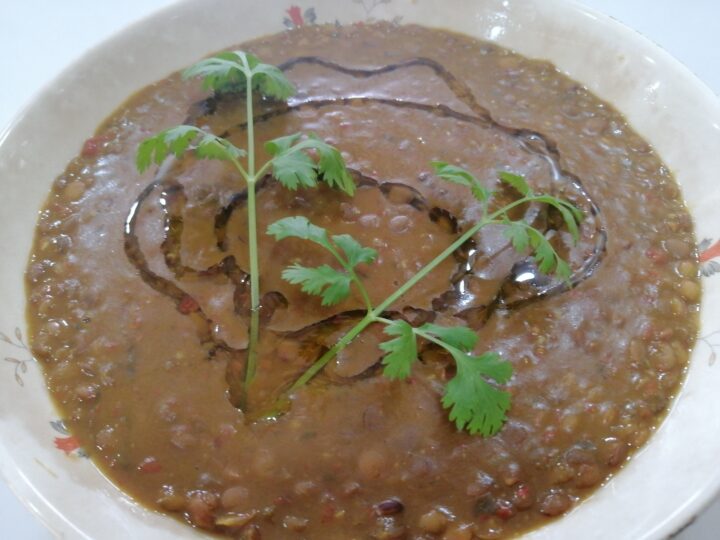
Table of Contents
Types of Lentils and Their Different Uses
Type Color Texture After Cooking Common Uses
Red Orange/Red Soft: mushy Soups, purees, Indian dal
Green Lentils Olive Green Firm: holds shape Salads, side dishes
Brown Lentils Brown Medium-soft Stews: casseroles
Black Lentils Jet Black Firm: glossy Gourmet salads, protein bowls
Yellow Lentils Pale Yellow Soft Indian curries: thick soups Tip: Red lentils cook faster and break down easily, while green and black lentils retain their shape and texture.
Lentil Dish Recipes
Traditional Recipes (Soup, Rafisa)
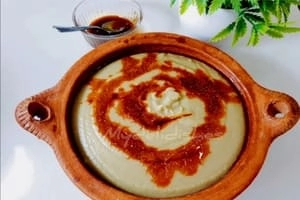
Lentil Soup: A comforting blend of red lentils, cumin, garlic, and olive oil. Often served with lemon wedges and crusty bread.
Rafisa with Lentils: A Moroccan twist on the classic dish, replacing chicken with spiced lentils, served over shredded msemen or bread soaked in broth.
Innovative Recipes ( Burger, Pies, Salad)
Lentil Burger: Made with brown lentils, oats, onions, and spices. A protein-rich alternative to meat patties.
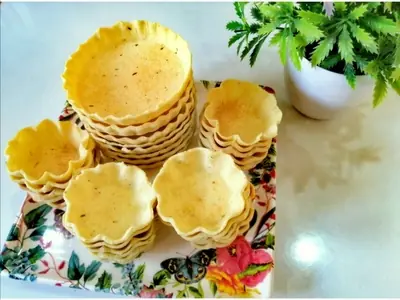
Savory Lentil Pies: Mini pies filled with green lentils, mushrooms, and herbs. Perfect for meal prep or entertaining.
Lentil Salad: Black one tossed with roasted vegetables, feta cheese, and a lemon vinaigrette.
Nutritional Value
Scientifically Proven Health Benefits
Heart Health: Rich in fiber and folate, it help reduce cholesterol and support cardiovascular function.
Blood Sugar Control: Low glycemic index makes lentils ideal for diabetics.
Weight Management: High satiety value due to protein and fiber content.
Iron Boost: Especially beneficial for vegetarians and women with iron deficiency.
Potential Harmful Effects and How to Avoid Them
Gas and Bloating: Caused by oligosaccharides; soaking and rinsing lentils reduces this effect.
Antinutrients: Phytates may inhibit mineral absorption; cooking and fermentation help neutralize them.
Allergies: Rare but possible; monitor symptoms if trying lentils for the first time.
Frequently Asked Questions
Should Lentils Be Soaked?
not mandatory for red lentils, but soaking green, brown, or black lentils for 2–4 hours improves digestibility and reduces cooking time.
Do Lentils Cause Gas?
Yes, especially if undercooked or eaten in large quantities. Soaking, rinsing, and adding digestive spices like cumin or ginger can help.
How to Store it Properly?
Dry Lentils: Store in airtight containers in a cool, dry place for up to 12 months.
Cooked Lentils: Refrigerate in sealed containers for 3–5 days or freeze for up to 3 months.
Ingredients and Preparation Method
Ingredients for a Moroccan-Style
- 1 cup brown or green lentils
- 3 tbsp olive oil
- 5 garlic cloves, minced
- 1 tsp cumin
- 1 tsp paprika
- ½ tsp turmeric
- Salt and pepper to taste
- 4 cups water or vegetable broth
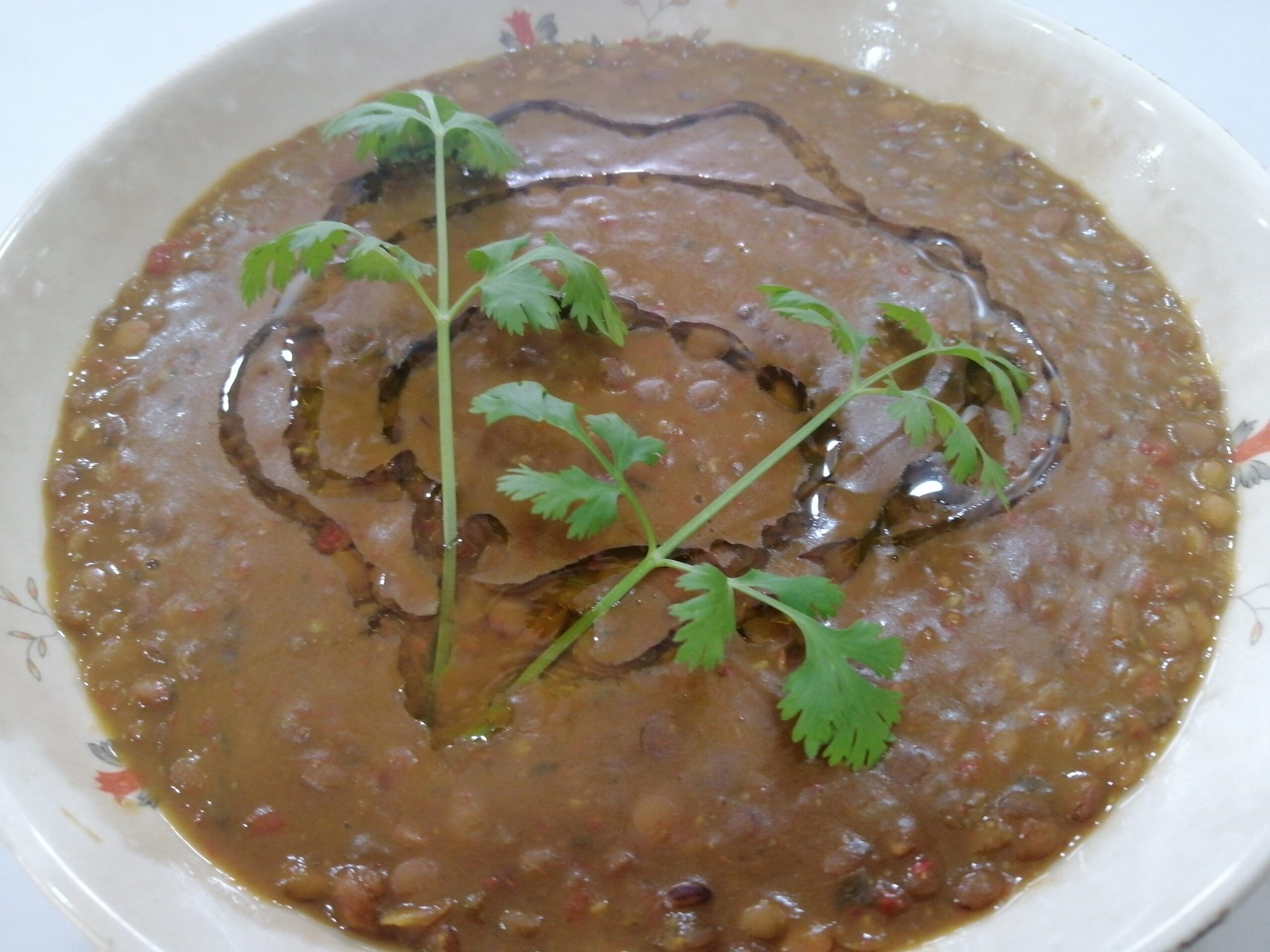
- Fresh coriander for garnish
Preparation Method
Rinse lentils thoroughly and soak for 2 hours (optional). In a pot, heat olive oil and sauté garlic and spices, stir for 1 minute. Add lentils and broth, bring to a boil.
Reduce heat and simmer for 30–40 minutes until lentils are tender. Garnish with fresh coriander and serve with warm bread or rice.
Give Me Your Opinion, Please?
There are no reviews yet. Be the first one to write one.