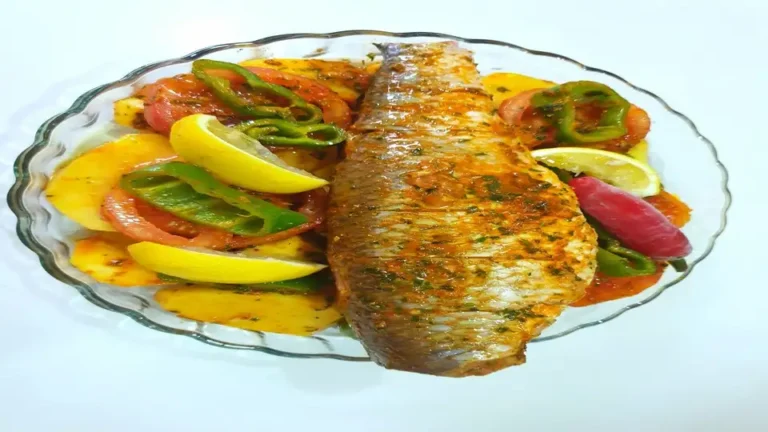
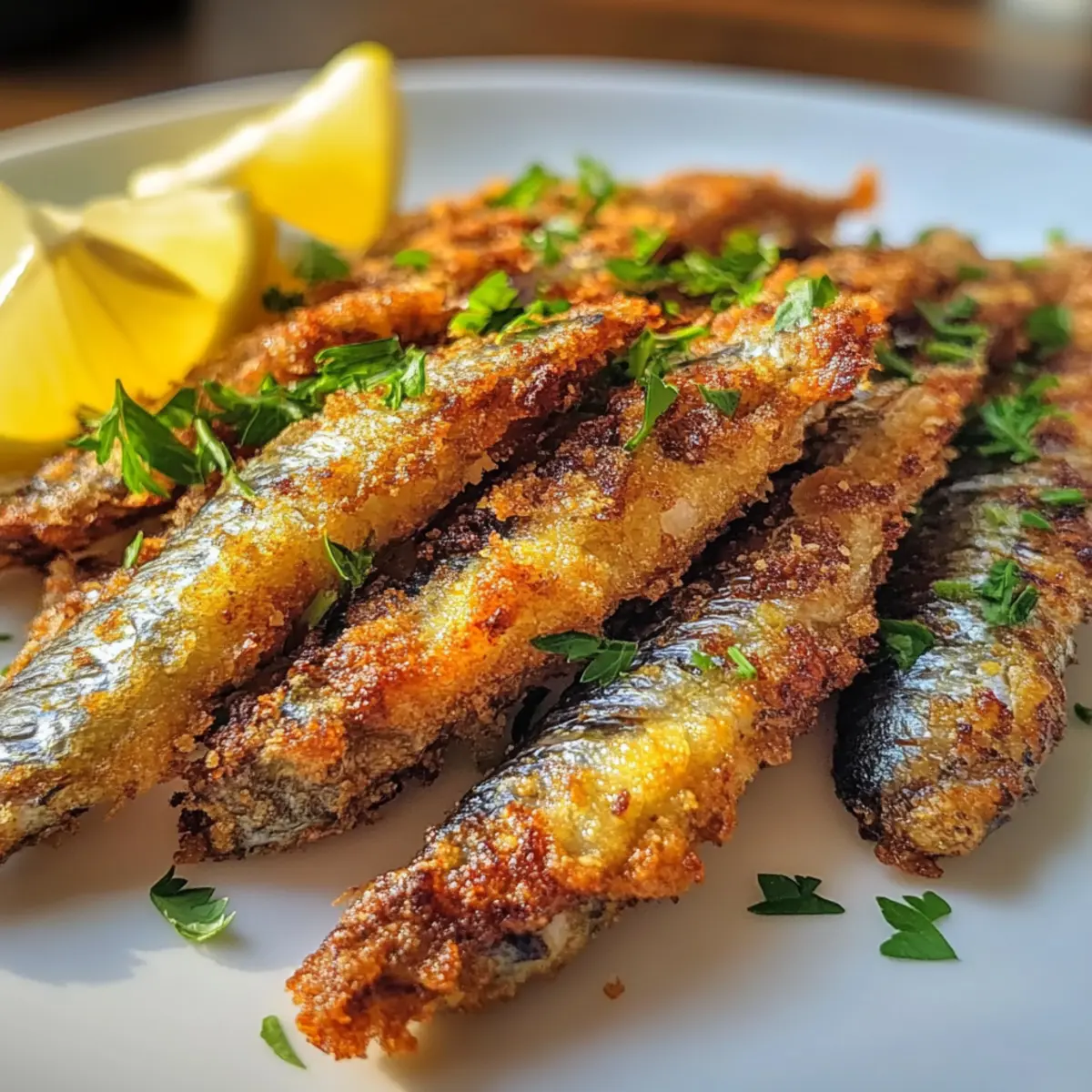
How to Make Perfect Fried Sardines Every Time
Introduction
Did you know that sardines rank among the top five most sustainable seafood choices in the world, yet nearly 70% of home cooks avoid frying them because they’re afraid of “messing it up”? If that sounds like you, it’s time to rethink everything you thought you knew about fried sardines fish. This dish has an undeserved reputation for being tricky, but with the right technique, anyone can achieve that golden, crackling crust every time. In this guide, you’ll learn exactly how to make perfect fried sardines — crispy on the outside, tender inside, and full of flavor — using a simple, foolproof method that works whether you’re a beginner or a seasoned home chef.
Table of Contents
Ingredients
Here’s everything you need to make restaurant-quality crispy sardines at home. Each ingredient plays a role in building flavor and texture, so don’t skip the small stuff.
- 1 lb (450g) fresh sardines, cleaned and gutted — the star of the dish; substitute with frozen sardines (fully thawed and patted dry) if fresh isn’t available
- 1/2 cup all-purpose flour — creates the classic crisp coating; swap with rice flour or cornmeal for a gluten-free, extra-crunchy alternative
- 1 tsp sea salt — enhances the natural brininess of the fish
- 1/2 tsp black pepper — adds subtle warmth and depth
- 1/2 tsp smoked paprika (optional) — lends a smoky, slightly sweet undertone
- 1/2 cup neutral oil or olive oil — for frying; avocado oil works well too, thanks to its high smoke point
- 1 lemon, cut into wedges — a bright, acidic finish that cuts through the richness
- Fresh parsley, chopped — for color, freshness, and a herbaceous lift
Timing
- Prep time: 10 minutes
- Cook time: 8–10 minutes
- Total time: approximately 20 minutes
That’s roughly 30–40% faster than the average pan-fried fish recipe, which typically takes 30–35 minutes from start to finish. The short cook time makes fried sardines an excellent choice for busy weeknights when you want a nutritious, restaurant-style meal without the wait.
Step-by-Step Instructions
Step 1: Pat the Sardines Completely Dry
Rinse your sardines under cold water, then dry them thoroughly with paper towels — inside and out. This step is non-negotiable: any leftover moisture will cause the oil to splatter and prevent the coating from crisping up properly. Think of this as laying the foundation for everything that follows.
Step 2: Season the Flour Mixture
In a shallow dish, whisk together the flour, salt, pepper, and smoked paprika. Taste-test the seasoning by lightly touching a pinch to your tongue — it should be flavorful enough to season the fish through such a thin coating.
Step 3: Dredge Lightly
Coat each sardine in the seasoned flour, shaking off the excess. Aim for a thin, even layer rather than a thick, doughy shell. A light touch here is what separates delicately crispy sardines from heavy, greasy ones.
Step 4: Heat the Oil to the Right Temperature
Pour oil into a heavy skillet to a depth of about 1/2 inch and heat it to 350–375°F (175–190°C). Use a thermometer if you have one; if not, drop in a pinch of flour — it should sizzle immediately without smoking excessively.
Step 5: Fry in Batches
Place sardines in the hot oil in a single layer, without crowding the pan. Fry for 2–3 minutes per side until deep golden brown. Crowding drops the oil temperature and leads to soggy results, so be patient and work in batches if needed.
Step 6: Drain and Rest
Transfer the fried sardines to a plate lined with paper towels. Let them rest for one to two minutes — this allows the crust to set fully and stay crisp longer.
Step 7: Finish and Serve
Squeeze fresh lemon juice over the sardines, sprinkle with chopped parsley, and serve immediately while the coating is at its crispiest.
Nutritional Information
Sardines are a nutritional powerhouse, and frying them at home (rather than relying on heavily processed versions) keeps that profile largely intact. Approximate values per 100g serving of fried sardines:
| Nutrient | Amount |
|---|---|
| Calories | ~210 kcal |
| Protein | ~24g |
| Total Fat | ~11g |
| Omega-3 Fatty Acids | ~1.5g |
| Calcium | ~350mg (roughly 27% of daily value) |
| Vitamin D | ~4.8mcg (about 24% of daily value) |
| Sodium | ~350mg (varies with seasoning) |
Sardines are one of the few whole foods that deliver a complete package of high-quality protein, heart-healthy omega-3s, and bone-supporting calcium and vitamin D — all in a single, budget-friendly serving.
Healthier Alternatives for the Recipe
- Air-fry instead of pan-fry: Coat the sardines lightly and air-fry at 400°F (200°C) for 8–10 minutes for a lower-oil version with a similar crunch.
- Use whole wheat or chickpea flour: These swaps add fiber and plant-based protein while still creating a crisp exterior.
- Reduce sodium: Cut the added salt by half and rely on lemon zest and fresh herbs for flavor instead.
- Go gluten-free: Rice flour or cornmeal both fry up beautifully and work well for gluten-sensitive diets.
- Bake as a lighter option: For an oil-free approach, bake coated sardines at 425°F (220°C) for 12–15 minutes, flipping halfway through.
Serving Suggestions
Fried sardines are wonderfully versatile and can anchor a variety of meals:
- Pile them over a crisp arugula salad with lemon vinaigrette for a light lunch.
- Serve as a tapas-style appetizer with garlic aioli and crusty bread.
- Tuck them into a warm pita with pickled onions and yogurt sauce for a quick sandwich.
- Pair with roasted potatoes and grilled vegetables for a hearty, Mediterranean-inspired dinner.
- Set them alongside a chilled glass of dry white wine or sparkling lemon water for a coastal-style evening at home.
Common Mistakes to Avoid
- Skipping the pat-dry step: Excess moisture is the number one reason home-fried sardines turn soggy instead of crisp.
- Oil that’s too cool: If the oil isn’t hot enough, the fish absorbs excess oil rather than frying quickly, resulting in a greasy texture.
- Overcoating with flour: A thick, doughy layer masks the sardines’ natural flavor and can lead to uneven cooking.
- Overcrowding the pan: This drops the oil temperature significantly and is one of the most common reasons home cooks report inconsistent results.
- Flipping too soon: Give the crust time to form before turning the fish, or it may stick and tear apart.
Storing Tips for the Recipe
- Refrigeration: Store leftover fried sardines in an airtight container for up to 2 days. Reheat in a hot oven or air fryer (not the microwave) to help restore some crispness.
- Prep ahead: You can clean and dry the sardines up to a day in advance, storing them covered in the refrigerator until ready to coat and fry.
- Freezing: While fresh-fried sardines are best enjoyed immediately, you can freeze raw, cleaned sardines for up to 2 months — just thaw and pat dry thoroughly before cooking.
- Avoid stacking: When storing leftovers, place a paper towel between layers to absorb excess moisture and help preserve texture.
Conclusion
Perfect fried sardines come down to three essentials: dry fish, a light seasoned coating, and hot oil. In under 20 minutes, you get a crispy, nutrient-rich dish worthy of any table. Try this recipe tonight, share your results in the comments, and subscribe for more simple, satisfying seafood recipes!
FAQs
Is it necessary to remove the bones before frying sardines? No — sardine bones are small, soft, and completely edible once fried, and they add a boost of calcium, so most cooks leave them in.
Can I use canned sardines for this recipe instead of fresh? Canned sardines are already cooked and have a softer texture, so they won’t achieve the same crispy result; fresh or properly thawed frozen sardines are recommended for frying.
Why do my fried sardines turn out soggy instead of crispy? This is almost always caused by excess moisture on the fish, oil that isn’t hot enough, or overcrowding the pan — addressing these three factors will solve most soggy-sardine issues.
What’s the best oil for frying sardines? A neutral oil with a high smoke point, such as vegetable, canola, or avocado oil, works best, though olive oil is a flavorful traditional choice in Mediterranean cooking.
Are fried sardines a healthy meal option? Yes — sardines are naturally rich in omega-3 fatty acids, protein, calcium, and vitamin D, and pan-frying at home with a light coating keeps the dish nutritious compared to heavily battered, deep-fried versions.
Give Me Your Opinion, Please?
There are no reviews yet. Be the first one to write one.