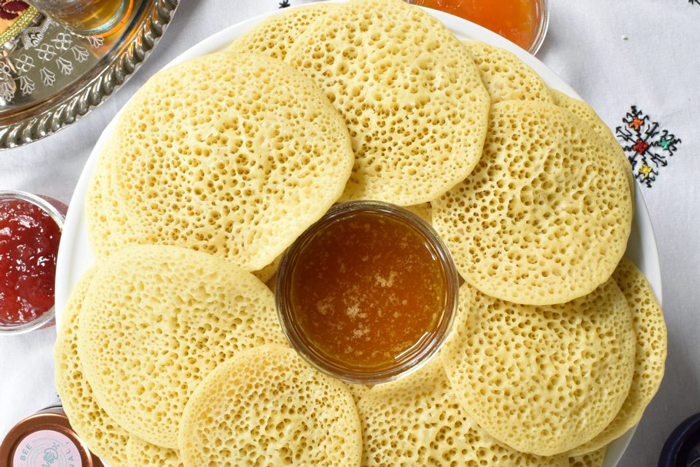
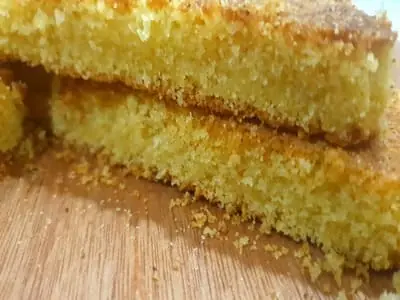
Harcha Without Milk: 8 Simple Ingredients for a Crispy Snack
Introduction
What if the crispiest, most satisfying Moroccan snack in your kitchen didn’t need a single drop of milk to taste incredible? It sounds almost too simple, but harcha without milk is exactly how many Moroccan households have made this beloved semolina bread for generations — long before dairy substitutes were even a trend. Using just water, semolina, and a handful of pantry staples, this version proves that a rich, buttery crumb and golden, crackly crust don’t depend on dairy at all. If you’re lactose intolerant, out of milk, or simply curious about the more traditional method, this 8-ingredient harcha recipe delivers everything you love about the classic — texture, flavor, and that irresistible snap when you bite into the crust.
Table of Contents
Ingredients
Here’s everything you need to make authentic harcha without milk. Each ingredient plays a specific role in building the bread’s signature crumbly-yet-tender texture:
- 150g fine semolina (2 cups) – the heart of the recipe, giving harcha its distinctive grainy bite
- 1 egg – adds richness and helps bind the dough without needing dairy
- 2 tablespoons granulated sugar – for a subtle sweetness that balances the savory griddle-fried exterior
- 7g vanilla sugar – rounds out the flavor with a warm, fragrant note
- 7g baking powder – the leavening agent that gives harcha its light, tender crumb
- 70g table oil (half a cup) – replaces butter, keeping the dough soft and completely dairy-free
- A pinch of salt – enhances every other flavor in the dough
- 150g water – the dairy-free liquid base that hydrates the semolina
Substitution tip: If you want an even richer flavor while keeping the recipe milk-free, swap the table oil for melted coconut oil or a plant-based butter alternative. For a slightly nutty depth, try replacing 20g of the semolina with fine cornmeal.
Instructions
Step-by-Step Instructions
Mix all ingredients well until the sugar dissolves and the mixture is well combined, add medium or fine semolina little by little, then yeast at the last stage.
If you notice that the mixture is still liquid, add a little semolina, the mixture should not be liquid or heavy. Grease the pan with butter and sprinkle it with semolina, then pour the mixture over the pan (it should be cold).
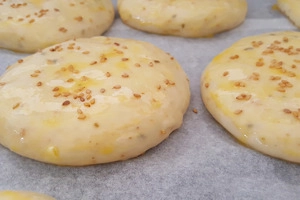
Shape the dough: Divide the dough into small balls and flatten each one into a thick disc or patty. You can make them as small or large as you prefer.
Cook the Harcha: Heat a non-stick skillet or griddle over medium heat. Once hot, place the dough discs onto the skillet. Cook each side for about 5-7 minutes, or until golden brown and crispy. Press gently on the discs to ensure they cook evenly.
Timing
- Prep time: 15 minutes
- Resting time: 10 minutes
- Cook time: 20 minutes
- Total time: 45 minutes
That’s roughly 30% faster than many traditional Moroccan bread recipes, which often require yeast proofing of an hour or more. Because harcha relies on baking powder rather than yeast, you get bakery-style results without the wait.
Nutritional Information
Approximate values per piece (based on 8 servings):
| Nutrient | Amount |
|---|---|
| Calories | ~160 kcal |
| Carbohydrates | 22g |
| Protein | 3g |
| Fat | 7g |
| Sugar | 3g |
| Sodium | 90mg |
Because this version skips milk, each serving contains noticeably less saturated fat than traditional milk-based harcha, while the egg still contributes protein and structure.
Healthier Alternatives for the Recipe
- Reduce the sugar: Cut the granulated sugar in half if you plan to serve harcha with honey or jam.
- Swap the oil: Use olive oil instead of table oil for heart-healthier fats without changing the texture.
- Boost the fiber: Replace 30g of fine semolina with whole wheat semolina for added fiber and a nuttier taste.
- Go egg-free: For a fully vegan, milk-free harcha, replace the egg with 3 tablespoons of unsweetened applesauce or a flax egg.
Serving Suggestions
Harcha is wonderfully versatile. Try it:
- Warm, split in half, and spread with honey or amlou (Moroccan almond-argan spread)
- Topped with a slice of cheese for a savory-sweet contrast
- Alongside a bowl of Moroccan mint tea for an authentic breakfast experience
- As a base for a quick sandwich with olive oil, za’atar, and fresh tomato
For an extra personal touch, warm each piece briefly in a dry skillet just before serving — it revives the crisp exterior beautifully.
Common Mistakes to Avoid
- Skipping the rest time: This is the #1 cause of gritty, undercooked harcha.
- Cooking on high heat: This burns the crust before the center finishes cooking. Medium-low is key.
- Adding all the water at once: This can make the dough too wet to shape. Add gradually instead.
- Rolling the dough too thin: A thin disc dries out and loses the soft, tender crumb harcha is known for — aim for at least 1.5 cm thickness.
Storing Tips for the Recipe
- Room temperature: Store cooled harcha in an airtight container for up to 2 days.
- Refrigerator: Keeps well for up to 5 days; reheat in a dry skillet to restore crispness.
- Freezer: Freeze cooked, cooled harcha in a sealed bag for up to 1 month. Thaw at room temperature, then reheat on a skillet.
- Make-ahead dough: The uncooked dough can be refrigerated for up to 24 hours before shaping and cooking.
Conclusion
This harcha without milk recipe proves that just 8 simple, pantry-friendly ingredients can produce a crispy, golden, deeply satisfying Moroccan snack — no dairy required. Give it a try, and let us know how it turned out in the comments below or in our recipe reviews. Don’t forget to subscribe for more traditional recipes reimagined for every kitchen!
FAQs
Can I make harcha without milk and still get a soft texture? Yes. The combination of oil, egg, and properly rested semolina keeps the crumb tender even without dairy.
Is this harcha recipe vegan? Not as written, since it includes an egg, but you can substitute the egg with applesauce or a flax egg to make it fully plant-based.
Why is my harcha falling apart? This usually means the dough was too dry or wasn’t rested long enough. Make sure the semolina fully absorbs the water before shaping.
Can I bake harcha instead of pan-frying it? Traditional harcha is pan-cooked for its signature crust, but you can bake it at 180°C (350°F) for about 20 minutes as an alternative, though the texture will be slightly different.
What’s the best semolina to use? Fine semolina (not coarse) works best for the dough itself, giving a smoother, more cohesive crumb.
Give Me Your Opinion, Please?
There are no reviews yet. Be the first one to write one.