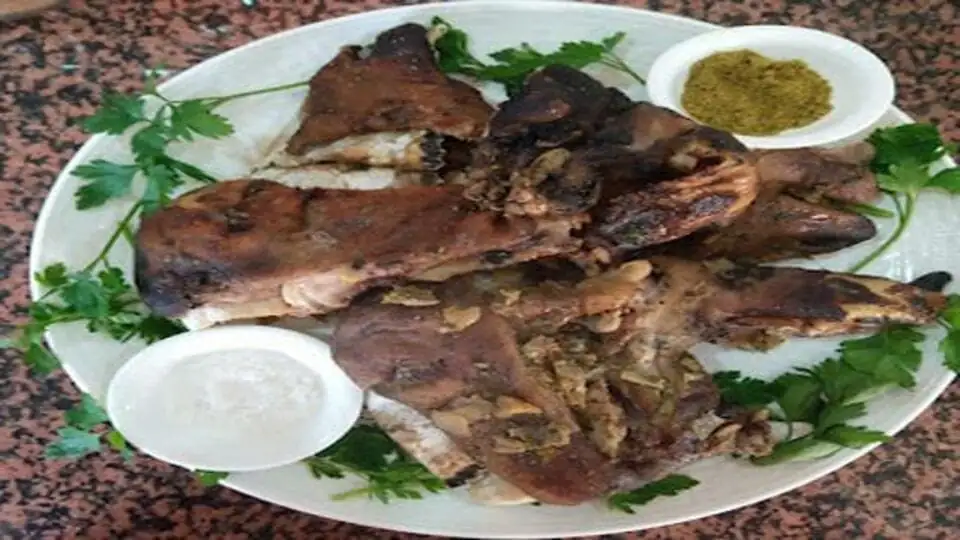
Moroccan Steamed Sheep’s Head: How to Make It Easily
Introduction
Steamed sheep’s head is a traditional Moroccan dish, especially associated with Eid al-Adha. The meat is slowly steamed until tender and is commonly enjoyed with cumin, salt, and fresh Moroccan bread.
Steamed sheep’s head is one of those dishes that immediately divides a room: some recoil, others light up with nostalgia. But here’s the truth that culinary history backs up — from Morocco’s hammam kitchens to Turkish kelle paça stalls and Scottish sheep’s heid traditions, steamed sheep’s head has fed generations across cultures for good reason.
Rich in collagen, deeply savory, and surprisingly easy to prepare once you know the steps, this dish rewards patience with layers of flavor that no boneless cut can match. Whether you’re a nose-to-tail cooking enthusiast, a curious foodie, or simply want to honor traditional recipes, this guide walks you through everything you need — from prepping the head to plating it beautifully.
Let’s break the stigma and get cooking.
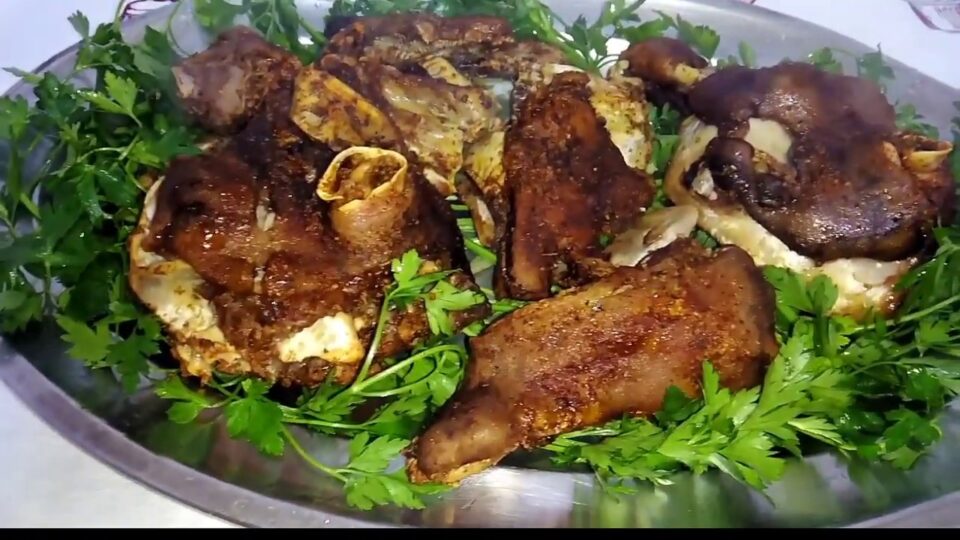
Table of Contents(Steamed Sheep’s Head)
Ingredients (Steamed Sheep’s Head)
Here’s everything you need to make perfectly steamed lamb’s head for 2–4 people:
The Star
- 1 whole lamb’s head (ask your butcher to split it in half and clean it — eyes and brain removed if preferred, or left in for the full traditional experience) Aromatic Base
- 2 medium onions, quartered
- 1 whole head of garlic, halved crosswise
- 4–5 sprigs of fresh coriander
Wet Rub / Marinade
- 2 tbsp olive oil
- 1 tsp salt (plus more to taste)
- 1 tsp cumin seeds (or ground cumin as a substitute)
- 1 tsp coriander seeds (or ground coriander)
For the Steaming Liquid
- 1.5 liters (about 6 cups) water
- 1 tsp salt
- A handful of fresh parsley or cilantro stems
Timing
| Phase | Duration |
|---|---|
| Soaking & Cleaning | 30 munits |
| Marinating | 10 munits |
| Steaming | 2.5–3 hours |
| Total Time (incl. marinating) | ~2–3 hours |
Context: While this may seem long, the active hands-on time is under an hour — roughly 20% of the total. Most of the time is passive soaking, marinating, and steaming. Many traditional recipes call for 4+ hours of braising; steaming at the right temperature achieves comparable tenderness in 30–40% less time.
Step-by-Step Instructions
Step 1: Clean and Soak the Steamed Sheep’s Head
Start here – this step is essential for safety and flavor. Place the split lamb’s head in a large bowl of cold water. Add two tablespoons of white vinegar or a generous amount of lemon juice. Let it soak for at least 30 munits, changing the water at least once.
Importance of this step: Soaking helps draw out any remaining blood, which can cause bitterness and unpleasant flavors in the final dish. After soaking, rinse the head thoroughly under cold running water, paying particular attention to the nostrils and around the teeth. Use a stiff brush if necessary to remove any burnt hair. Pat the head dry with paper towels.
Pro Tip: Ask your butcher to grill the head over an open flame and scrape it beforehand. This saves a lot of time preparing at home.*
Step 2: Prepare the Liquid Marinade and Seasoning
In a small bowl, combine the olive oil, salt, cumin, dried coriander, a little fresh coriander, and crushed garlic. Stir until a thick paste forms.
Rub this mixture all over the lamb’s head—both cut sides, the outside, the inside of the cavity, and along the jaw. Don’t skimp on the seasoning; make sure you get it into every nook and cranny. Place the head in a large resealable plastic bag or a covered container, then refrigerate for at least 10 munits . This allows the spices to penetrate the meat more deeply.
Step 3: Prepare the Steamer
You will need a large steamer. A traditional couscous steamer is ideal for this recipe, but a large pot with a steamer basket or even a bamboo steamer placed over a wok will work. If you don’t have a steamer basket, you can use a metal base or a heatproof plate placed on crumpled aluminum foil inside the pot.
Place the parsley sticks, onion slices, and salt at the bottom of the couscous steamer. Pick the seasoned sheep’s head, cover it well, and leave it on low heat for an hour or more, depending on whether the head is large or small.
Envoyer des commentaires
Utilisez les flèches pour afficher la traduction complète.
💡 The aromatic steaming liquid is your secret weapon — the vapor infuses the meat as it cooks. Don’t skip the herbs in the water.
Step 4: Prepare an Aromatic Coating
Before placing the sheep’s head in the steamer basket, layer it with the remaining onion quarters, garlic halves, cumin seeds, and coriander sprigs. Place the lamb’s head cut-side down on this aromatic coating.
This serves two purposes: it prevents the meat from sticking and creates an aromatic coating that perfumes the lamb from top to bottom.
Step 5: Steam Slowly
Place the steamer basket over the simmering liquid. Cover it tightly with a lid—if the lid doesn’t fit tightly, seal the gap with a rolled-up kitchen towel or aluminum foil to trap the steam. Reduce the heat to medium-high to maintain a thick steam.
Steam the sheep’s head for 2½–3 hours, depending on its size. A small head (from a young lamb) may take 2.5 hours. A larger head may take up to 3 hours.
Check the head every 30–40 minutes to ensure the water isn’t evaporating. Add boiling water as needed—never use cold water, as this can cause thermal shock and make the meat tough.
💡 The head is cooked when the cheek meat easily flakes off with a fork and the skin becomes almost translucent with a jelly-like appearance. The jaw should be pliable.
Step 6: Optional—Finish cooking under the grill
For a beautifully caramelized exterior with crispy edges, transfer the steamed head to a foil-lined baking tray. Lightly brush it with olive oil or melted butter. Place it under a hot grill (on the broiler setting) for 8–12 minutes, turning it once if possible, until the skin is a deep golden brown.
This step is entirely optional, but it adds a wonderful contrast in texture—a crispy exterior against a soft, melt-in-the-mouth flesh.
Step 7: Rest and Serve
Remove the meat from the oven or steamer. Let it rest for 10–15 minutes before serving. This allows the juices to distribute evenly throughout the meat, just as you would with a steak or roast beef.
Serve it on a large platter lined with flatbread or over a bed of couscous.
Nutritional Information (Steamed Sheep’s Head)
Per 200g(Steamed Sheep’s Head) (approximately half a head, meat and skin)
| Nutrient | Amount | % Daily Value |
|---|---|---|
| Calories | ~320 kcal | 16% |
| Protein | 38g | 76% |
| Total Fat | 18g | 23% |
| Saturated Fat | 7g | 35% |
| Carbohydrates | 0g | 0% |
| Collagen/Gelatin | ~12g | — |
| Zinc | 7.2mg | 65% |
| Iron | 3.8mg | 21% |
| Vitamin B12 | 2.6mcg | 108% |
| Phosphorus | 280mg | 22% |
Standout nutritional benefits (Steamed Sheep’s Head) :
- Collagen-rich: The slow steaming breaks down cartilage and connective tissue into bioavailable collagen — excellent for joint, skin, and gut health.
- Zinc powerhouse: A single serving delivers over 60% of your daily zinc needs, supporting immune function and wound healing.
- Complete protein: Lamb provides all nine essential amino acids, making it a high-quality protein source.
Healthy Recipe Alternatives
For a lower-fat version: Remove and discard the skin before eating, and skim the fat from the steaming liquid. The cheek and tongue meat alone are leaner than many expect.
For a low-FODMAP version: Omit the onion and garlic from the aromatic bed. Use the green tops of spring onions and infuse garlic flavor with garlic-infused olive oil in the rub instead.
For a Mediterranean-herb forward version: Double the rosemary and thyme, add dried oregano, and swap the harissa for a spoonful of tomato paste and lemon zest.
Serving Suggestions
The Classic North African Style: Serve on a round platter over warm flatbread (khobz or pita) with a side of chermoula sauce, preserved lemon, and a bowl of harissa for dipping. Scatter fresh cilantro and a drizzle of olive oil to finish.
The Middle Eastern Feast: Plate over a mound of saffron-scented couscous or rice. Surround with roasted chickpeas, golden raisins, and toasted almonds. Serve with a simple cucumber-yogurt sauce.
The Modern Fine Dining Twist: Portion the cheek meat and tongue separately. Serve the braised cheek over a smear of white bean puree with a microgreen garnish and a reduction of the steaming liquid as a jus.
Simple Family Style: Pull the meat directly from the bone and stuff into warm flatbreads with sliced onion, pickled vegetables, and a squeeze of lemon. It’s essentially the best lamb sandwich you’ll ever eat.
Common Mistakes to Avoid(Steamed Sheep’s Head)
Neglecting to marinate. This is the most common mistake. Without marinating, the blood remaining in the bones and tissues produces a bitter taste that cannot be completely masked, no matter how much seasoning you use. Always marinate meat for at least two hours.
Not sealing the steamer tightly. If steam escapes freely, the temperature inside the pot drops, cooking time increases significantly, or the meat may not be cooked thoroughly. Use a tight-fitting lid, and reinforce it with a towel or aluminum foil if necessary.
Running out of water. Check the steaming liquid every 30-40 minutes. Dryness not only spoils the dish but can also damage the pot. Keep a kettle of hot water handy.
Rushing the cooking time. A sheep’s head contains a large amount of collagen-rich connective tissue. After two hours, the meat may appear cooked, but the collagen hasn’t fully gelatinized. Give it the time it needs. The difference between two and three and a half hours is significant.
Forgetting to let the meat rest. Cutting the meat immediately after steaming releases the juices right away. Leaving it to rest for 10 minutes helps maintain its moisture and significantly improves its texture.
Recipe Storage Tips
Leftovers: Once the meat has been pulled from the bone, store in an airtight container in the refrigerator for up to 3 days. The steaming liquid (now a rich, collagen-rich broth) can be stored separately for up to 4 days — use it as a base for soup, stew, or grain dishes.
Freezing: Pulled meat freezes well for up to 3 months. Store in portion-sized freezer bags with a small amount of the cooking liquid to prevent drying. Defrost in the refrigerator overnight and reheat gently over low heat.
Meal prep: The lamb’s head can be marinated up to 24 hours in advance (stored in the fridge). The aromatics for the steamer can be prepped and refrigerated in a covered bowl up to 2 days ahead.
Reheating: Reheat pulled meat gently in a covered pan with a splash of water or broth over low heat. Avoid the microwave if possible — it dries out the meat and turns the collagen-rich skin rubbery.
Conclusion
Steamed sheep’s head is more than a recipe — it’s a connection to culinary traditions that stretch across continents and centuries. Once you master the cleaning, the wet rub, and the long steam, you’ll have a dish that’s deeply flavorful, nutrient-dense, and genuinely impressive to serve.
Ready to give it a try? Share your experience in the comments below — we’d love to hear how it turned out! Don’t forget to leave a review, and subscribe to our newsletter for more traditional and modern recipes from around the world. 🌍
Frequently Asked Questions(Steamed Sheep’s Head)
Q: Where can I buy a lamb’s head? Your best bet is a halal butcher, a local ethnic market (Middle Eastern, North African, or Eastern European), or a specialty butcher shop. Call ahead — many butchers need a day’s notice. Some online meat suppliers also offer whole or split lamb heads with nationwide delivery.
Q: Can I leave the brain in the head? If you prefer to include the brain, check local food-safety guidance and purchase the head from a reputable butcher. You can also ask your butcher to remove it before preparation.
Q: What does steamed lamb’s head taste like? The flavor is deeply savory and rich — similar to slow-braised lamb shank, but more complex. The cheek meat is the most prized part: incredibly tender, slightly fatty, and almost buttery in texture. The tongue, once peeled, is smooth and mild. The skin, when broiled, adds a delicious crispy element.
Q: Can I cook this in an Instant Pot or pressure cooker? Yes! A pressure cooker dramatically shortens the time — cook on high pressure for 60–75 minutes (depending on size) with 1.5 cups of liquid in the base. The flavor and texture are slightly different from steaming (less fragrant, slightly more braised), but the result is still excellent.
Q: How do I know when it’s done? The cheek meat should be fully tender and easy to pull away from the bone with a fork. The jaw should be loose. The skin will look slightly translucent and gelatinous. If in doubt, give it another 30 minutes — it’s very hard to “overcook” this cut when steaming.
Q: Is this dish appropriate for a dinner party? Absolutely — with the right presentation and some context for guests, this dish becomes a memorable centerpiece. Many high-end restaurants around the world feature lamb’s head on their menus precisely because of its complexity and story. Present it on a beautiful platter with fresh herbs and colorful accompaniments, and watch the conversation come alive.
Q: Can I make this halal/kosher? Lamb is inherently halal when slaughtered according to Islamic guidelines — just ensure your source is certified. Lamb is not kosher (it’s not a forbidden animal), but mixing it with dairy (yogurt sauce) would not be permissible under kosher law. Adjust serving suggestions accordingly.
Enjoyed this guide? Explore more traditional recipes on our blog, or browse our nose-to-tail cooking series for more ways to honor the whole animal.Because every great dish becomes even better when it’s shared.
Give Me Your Opinion, Please?
There are no reviews yet. Be the first one to write one.